Understanding Dry Casings: The Unsung Hero of Food Preservation
Apr 29,2025
Introduction to Dry Casings
When we think about food preservation, our minds often drift to vacuum sealing or freezing. But what about dry casings? These silent guardians of flavor have been around for ages, yet they often fly under the radar. Let’s dive into the fascinating world of dry casings, why they matter, and how they contribute to our culinary delights.
What Are Dry Casings?
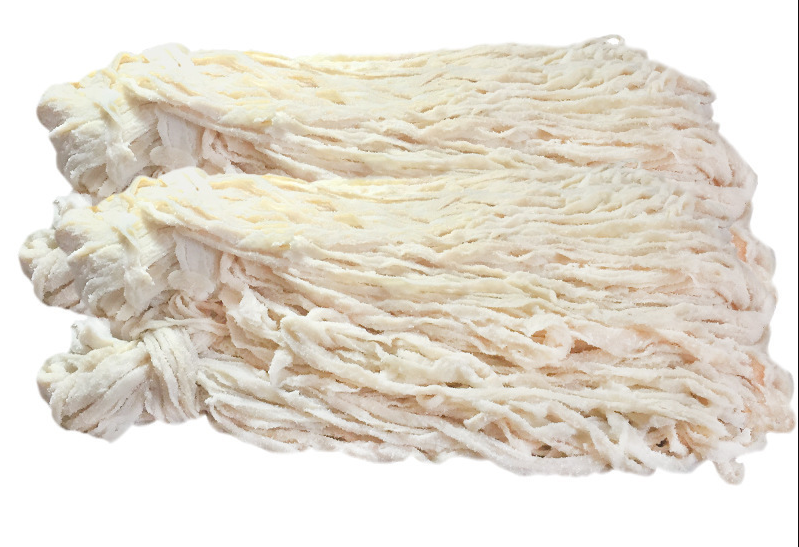
So, what exactly are dry casings? Well, in the simplest terms, they are the outer shells used to encase various processed meats, such as sausages and salamis. Made from natural materials like animal intestines or synthetic products, these casings are designed to help preserve the meat and enhance its flavor during the curing process.
The Importance of Dry Casings in Food Preservation
Ah, the age-old question: why should we care about dry casings? For starters, they play a pivotal role in moisture retention and flavor concentration. Imagine biting into a juicy, flavorful sausage that bursts with taste. That’s the magic of dry casings at work! They allow the meat to cure properly while keeping harmful bacteria at bay.
Nutritional Benefits
Moreover, dry casings can actually enhance the nutritional profile of the food. With the right casing, you can maintain the integrity of essential nutrients that might otherwise be lost during the cooking or curing processes. Who knew a simple casing could be such a powerhouse?
Types of Dry Casings
Now, let’s get into the nitty-gritty of the types of dry casings available. There are mainly two categories: natural and artificial. Natural casings are made from animal intestines, and they tend to be quite popular among traditional sausage makers. On the flip side, synthetic casings are made from materials like collagen and are becoming increasingly favored for their consistency and ease of use.
Natural Casings vs. Synthetic Casings
Here’s the scoop: natural casings are often praised for their unique texture and ability to allow smoke to permeate the meat, giving it that delightful smokiness. However, synthetic casings offer advantages too, such as uniformity in size and less hassle during the stuffing process. It’s a classic case of preference!
How to Choose the Right Dry Casings
Choosing the right dry casing is crucial for any aspiring chef or home cook. Here are a few tips to guide your decision-making:
- Consider the type of meat you are using. Some casings work better with specific meats.
- Look at the size of your sausages. Make sure the casings fit your desired diameter.
- Think about the flavor profile you want to achieve. Different casings can impart different flavors!
The Process of Curing with Dry Casings
Alright, let’s get down to the process itself. After stuffing the casing with your choice of meat mixture, it’s time for the curing process. This involves hanging the sausages in a controlled environment, usually at a specific temperature and humidity level. The dry casings help facilitate the growth of beneficial bacteria while keeping the bad ones at bay. It’s like having a guardian angel for your sausages!
Patience is Key
Just remember, patience is golden here. The curing process can take anywhere from a few days to several weeks, depending on what you’re making. But trust us, the end result is worth the wait!
Common Mistakes to Avoid
Even seasoned cooks can trip up when it comes to using dry casings. Here are some common pitfalls to steer clear of:
- Not soaking the casings properly before use. This important step ensures flexibility!
- Overstuffing the casings, which can lead to bursting. Nobody wants a messy kitchen!
- Neglecting to check the temperature and humidity during the curing process. Consistency is key!
Final Thoughts
In conclusion, dry casings are an essential element in the world of food preservation, especially when it comes to processed meats. They not only enhance flavors and textures but also provide safety during the curing process. So, the next time you enjoy a delicious sausage or salami, take a moment to appreciate the humble dry casing that made it all possible. Cheers to the unsung heroes of our culinary adventures!
Keyword:
Latest News
Contact Information
Phone/Wechat/WhatsApp: +86-13603320688
E-mail: bdtiantai@tiantaicasing.com
Contact person: Mr. Tan
Alibaba: https://tiantaichangyi1688.1688.com
Address: No. 188 Taoyuan West Street, Shunping County, Baoding City
Follow Us on


Copyright © 2023 Baoding Tiantai casing food Co., LTD | Business License