Unlocking the Secrets of Dry Casings: Industry Solutions You Need to Know
Apr 26,2025
Understanding Dry Casings in Today's Industry
When you hear the term dry casings, you might think of sausages or perhaps some kind of packaging. But in the industrial world, it refers to so much more! Dry casings are crucial in various sectors, from food processing to manufacturing, providing structural integrity and preserving quality. In this article, we’ll dive deep into what dry casings are, their applications, and how they can be leveraged for optimal results.
What Exactly Are Dry Casings?
To put it simply, dry casings are protective outer layers that seal and preserve the contents within, often used in the food industry—think of the outer layer of your favorite sausage. However, they're also found in other industries, like construction and packaging, where they serve to protect sensitive materials from moisture and contamination. Who knew such a simple concept could have such broad applications?
Why Are They Important?
One could argue that dry casings are the unsung heroes of the industry. Without them, products would be vulnerable to spoilage, damage, and a host of other mishaps. They help maintain product freshness, enhance shelf life, and ultimately, keep consumers happy. In other words, they play a pivotal role in quality assurance!
The Different Types of Dry Casings
Not all dry casings are created equal! Depending on the application, you might encounter various types:
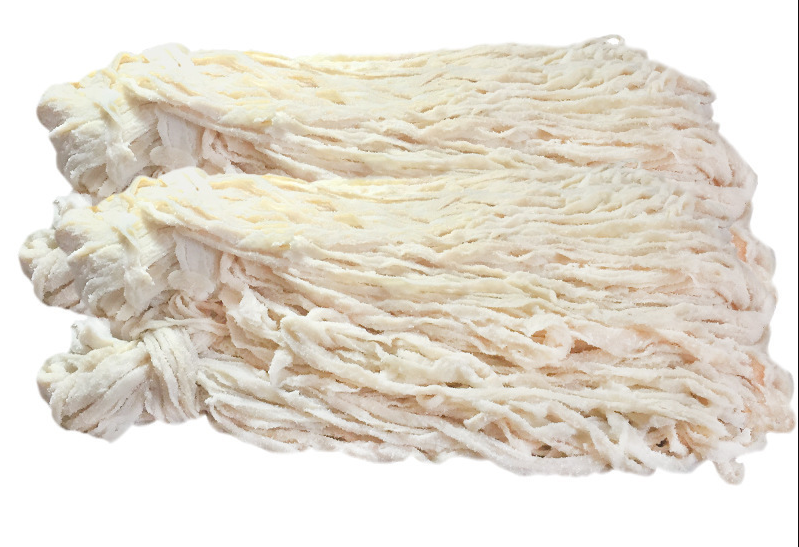
- Natural casings: Made from animal intestines, these are biodegradable and often used in traditional sausage making.
- Synthetic casings: These are man-made, often made from materials like collagen or cellulose, offering consistency and durability.
- Plastic casings: Known for their versatility, they are often used in packaging and can be designed to be waterproof and tamper-proof.
Choosing the Right Dry Casing
Now, you might be wondering, "How do I choose the right dry casing for my needs?" Well, it boils down to a few key factors:
- Application: What are you using it for? Different products require different types of protection.
- Durability: How long do you need the casing to last? Consider the environmental conditions it will face.
- Cost: Always keep an eye on your budget. Sometimes, the cheapest option isn't the best one!
Innovations in Dry Casing Technology
As with any industry, innovation is key. New technologies are constantly emerging to enhance the effectiveness of dry casings. For instance, some companies are exploring biodegradable options that not only protect products but also reduce environmental impact. Isn’t that a win-win?
The Role of Research and Development
Research and development (R&D) play a vital role in advancing dry casing technology. Companies invest in R&D to create casings that are not just effective but also sustainable. It’s thrilling to think about what the future holds—could we see even more eco-friendly options that serve the same purpose? The possibilities are endless!
Real-World Applications of Dry Casings
Let’s take a look at some real-world applications:
- Food Industry: Sausages, hot dogs, and other processed meats rely heavily on dry casings to maintain their integrity.
- Pharmaceuticals: Many medications are packaged using dry casings to keep them safe from moisture.
- Construction: Some materials require dry casings to prevent deterioration over time.
Conclusion: The Future of Dry Casings
In conclusion, dry casings are more than just a protective layer; they are a critical component of various industries. As technology advances and sustainability becomes a priority, we can expect to see exciting developments in this field. So, next time you bite into a delicious sausage or unwrap a product, take a moment to appreciate the dry casings that keep everything fresh and intact. Who knew such a small element could have such a massive impact?
Keyword:
Latest News
Contact Information
Phone/Wechat/WhatsApp: +86-13603320688
E-mail: bdtiantai@tiantaicasing.com
Contact person: Mr. Tan
Alibaba: https://tiantaichangyi1688.1688.com
Address: No. 188 Taoyuan West Street, Shunping County, Baoding City
Follow Us on


Copyright © 2023 Baoding Tiantai casing food Co., LTD | Business License