The Ins and Outs of Dry Casings: A Comprehensive Guide
Apr 25,2025
Understanding Dry Casings
Ah, dry casings! You may have come across this term in various contexts, but have you ever stopped to ponder what it actually means? They’re often the unsung heroes in the world of food preparation, particularly in sausage-making and other culinary delights. So, let’s dive right into the nitty-gritty of this fascinating subject, shall we?
What Are Dry Casings?
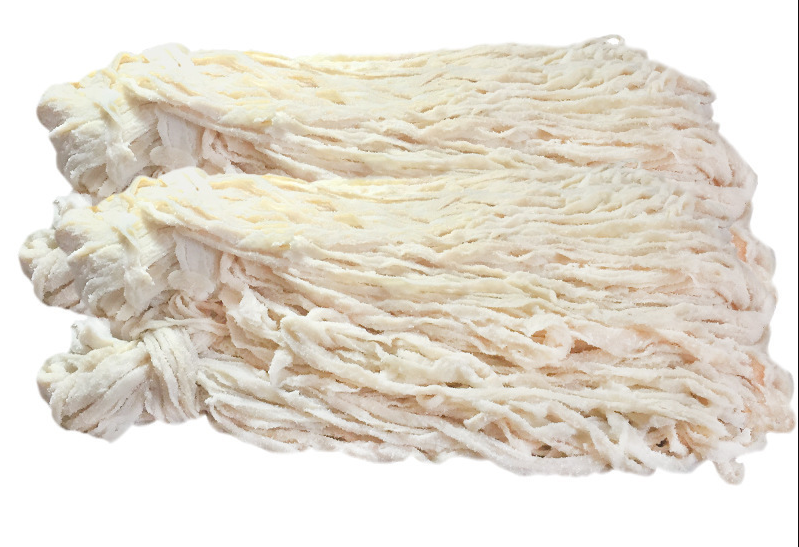
Simply put, dry casings are the outer shells used to hold the delicious fillings of sausages and other meat products. They’re typically made from natural materials like animal intestines, but can also be synthetic. And while they may seem like a simple component, they play a pivotal role in the flavor and texture of the final product. Who knew!
Why Use Dry Casings?
Now, you might be thinking, "Why not just use any old casing?" Well, let me tell ya, not all casings are created equal! Dry casings have several advantages:
- Flavor Infusion: They allow the meat to breathe, enhancing the flavor as it cures.
- Texture: The right casing can give your sausage that perfect bite.
- Durability: Dry casings are robust, making them ideal for various cooking methods.
Isn’t that neat?
Different Types of Dry Casings
When it comes to dry casings, there’s a whole buffet of options to choose from. Here’s a quick rundown:
- Natural Casings: Made from animal intestines, these are biodegradable and offer a unique flavor.
- Synthetic Casings: Often made from collagen or cellulose, these are perfect for mass production.
- Cellulose Casings: Generally used for skinless sausages, they’re removed after cooking.
Each type has its perks, depending on what you’re whipping up in the kitchen!
How to Handle Dry Casings
Alright, so you’ve decided to use dry casings for your next culinary adventure. Here are some handy tips to get you started:
- Soaking: Always soak natural casings in water before use to make them pliable.
- Drying: If you’re using synthetic casings, ensure they’re dry before stuffing.
- Stuffing: Use a sausage stuffer to fill your casings evenly; no one likes a lumpy sausage!
And voilà! You’re well on your way to creating delicious sausages!
Common Mistakes to Avoid
Even seasoned chefs can trip up when it comes to using dry casings. Here are a couple of blunders to steer clear of:
- Overstuffing: It may seem tempting, but overstuffing can lead to burst casings!
- Ignoring Temperature: Keep your ingredients cold to ensure a safe and tasty end product.
Trust me, avoiding these pitfalls will save you a lot of heartache in the kitchen!
The Future of Dry Casings
As we stride into the future, the technology behind dry casings is evolving. With an increasing focus on sustainability, we’re seeing more options that are environmentally friendly, like casings made from plants. Exciting times ahead!
Final Thoughts
In conclusion, dry casings are an essential part of many culinary creations. Whether you’re a seasoned chef or just dabbling in the art of sausage-making, understanding and utilizing dry casings can elevate your dish to new heights. So, roll up your sleeves and get creative in the kitchen; you never know what deliciousness awaits!
Keyword:
Latest News
Contact Information
Phone/Wechat/WhatsApp: +86-13603320688
E-mail: bdtiantai@tiantaicasing.com
Contact person: Mr. Tan
Alibaba: https://tiantaichangyi1688.1688.com
Address: No. 188 Taoyuan West Street, Shunping County, Baoding City
Follow Us on


Copyright © 2023 Baoding Tiantai casing food Co., LTD | Business License