The Art of Sausage Making: Discovering Pig Casing
Apr 14,2025
Unwrapping the Mystery of Pig Casing
Ever wondered what gives your favorite sausages that delightful snap and rich flavor? Well, my friends, the secret lies in pig casing! Yes, you heard me right! This natural sausage casing is not just a culinary term; it's a vital component in the world of charcuterie.
What Exactly is Pig Casing?
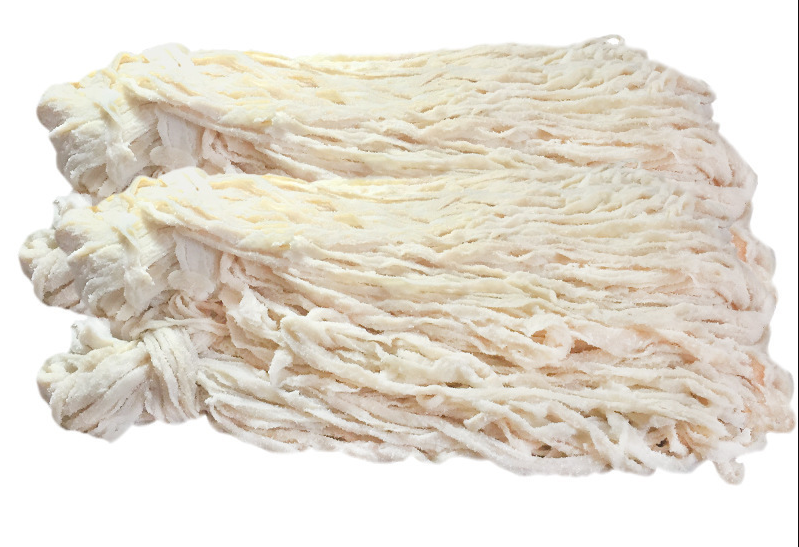
To put it simply, pig casing, or hog casings, are the intestines of pigs cleaned and prepared for use in sausage making. They come in various sizes and types, making them versatile for a range of sausage recipes. From bratwurst to Italian sausage, pig casing is the unsung hero that holds it all together.
Why Choose Pig Casing?
Now, you might be asking, "Why not just use synthetic casings?" Well, here’s the kicker—pig casing offers a unique flavor and texture that synthetic options simply can't replicate. The natural casing allows for a better smoke penetration during cooking, leading to an enhanced taste experience that’ll have your taste buds dancing!
A Few Fun Facts
- Did you know? Pig casings can be as thin as a pencil or as thick as a sausage! Talk about variety!
- They are also biodegradable, which is a plus for environmentally-conscious chefs.
- Historically, using natural casings dates back thousands of years, showcasing an ancient culinary tradition that’s still popular today.
How to Prepare Pig Casing
Alright, here’s where it gets a bit technical! Before you dive into making sausages, you need to prep your pig casing. First things first, rinse them thoroughly to remove any salt and debris. Soak them in warm water for about 30 minutes—this helps soften them up and makes them easier to work with. Just don’t forget to keep an eye on them; you want them pliable but not mushy!
The Sausage-Making Process
Once your pig casing is prepped and ready to go, it’s time to get your hands dirty! Start by preparing your sausage mixture—this could be a blend of pork, herbs, spices, and any other goodies you fancy. Using a sausage stuffer, carefully fill the casing, ensuring you don’t overstuff, as this can lead to bursting during cooking. Tie off the ends, and voilà, you’ve got yourself some homemade sausages!
Cooking Your Sausages
When it comes to cooking, the sky's the limit! Grill, fry, or even bake your sausages to perfection. Just remember, cooking them slowly allows the flavors to meld beautifully. And trust me, the aroma wafting through your kitchen will be simply irresistible!
Storing Pig Casing
If you've got leftover pig casing, don’t fret! They can be stored in the fridge for about a week. Just make sure they're well-salted and kept in a sealed bag. Alternatively, you can freeze them for longer storage—just be sure to thaw them properly before use!
Final Thoughts
So there you have it! From its intriguing history to its role in your favorite sausages, pig casing is undoubtedly a culinary treasure. Whether you’re a seasoned chef or a curious newbie, experimenting with pig casing can elevate your cooking game to a whole new level. So, roll up those sleeves and get ready to create some mouth-watering sausages that will impress your family and friends!
Keyword:
Latest News
Contact Information
Phone/Wechat/WhatsApp: +86-13603320688
E-mail: bdtiantai@tiantaicasing.com
Contact person: Mr. Tan
Alibaba: https://tiantaichangyi1688.1688.com
Address: No. 188 Taoyuan West Street, Shunping County, Baoding City
Follow Us on


Copyright © 2023 Baoding Tiantai casing food Co., LTD | Business License