Unraveling the Mystery of Pig Casing: Common Questions Answered
Apr 12,2025
The Basics of Pig Casing
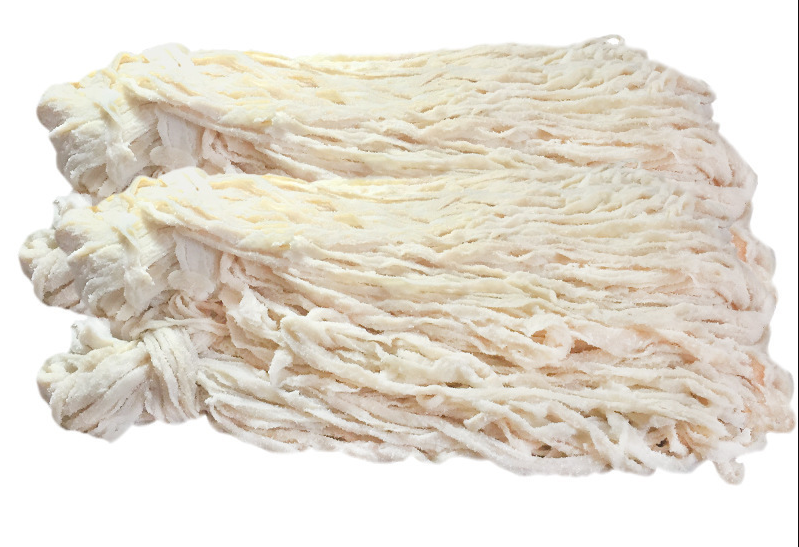
So, what exactly is pig casing? Well, it’s the natural intestine casing used primarily for stuffing sausages and other delicious meat products. This age-old technique isn’t just for the gourmet chefs; it’s a staple in kitchens around the world. Whether you’re a home cook or a professional, knowing the ins and outs of pig casing can elevate your culinary game.
Why Use Pig Casing?
Ah, the age-old debate: natural vs. synthetic casings. Let’s break it down. Natural casings, like those made from pig intestines, not only impart a unique flavor but also have a delightful snap when bitten into. Plus, they’re biodegradable, making them a more environmentally friendly choice compared to their synthetic counterparts. Who knew deliciousness could come with a side of sustainability?
Common Questions About Pig Casing
Now, let’s tackle some of the most common queries folks have about pig casing. You’ll be surprised at how many misconceptions are floating around!
1. Is Pig Casing Safe to Eat?
You bet! Pig casing is entirely safe to eat, as long as it’s properly cleaned and prepared. Most commercially available casings have undergone rigorous sanitation processes. Just be sure to check the packaging for any specific instructions to ensure you’re good to go!
2. How Do I Prepare Pig Casing?
Getting your pig casing ready is a piece of cake! First, rinse it thoroughly under cold water to remove any salt (if it’s packed in salt). Then soak it in warm water for about 30 minutes. This softens it up and makes it easier to handle. Just like that, you’re ready to stuff!
3. Can I Freeze Pig Casing?
Oh, absolutely! If you’ve got leftovers or you’ve bought in bulk, freezing is totally an option. Just be sure to wrap it tightly to prevent freezer burn. When you’re ready to use it, thaw it in the fridge and give it a rinse before you start your sausage-making adventure!
4. What’s the Difference Between Pig Casing and Sheep Casing?
Great question! While both are natural casings, pig casings are generally larger and sturdier, making them ideal for sausages like bratwursts. Sheep casings, on the other hand, are thinner and often used for smaller sausages like breakfast links. Each type has its own charm, depending on what you’re whipping up!
5. How Do I Stuff Sausages with Pig Casing?
Time to get your hands dirty! Start by securing one end of the casing to your sausage stuffer. Then, slowly feed the casing onto the tube, ensuring it doesn’t twist. As you fill it, keep an eye on the sausage’s firmness. You want it packed, but not so tight that it bursts! And don’t forget to twist off links every few inches—voilà, you’ve got sausages!
In Conclusion
Understanding pig casing and its role in sausage-making doesn’t have to be daunting. With a few simple tips and tricks, you’ll be crafting your own sausages like a pro in no time. So next time you’re in the kitchen, don’t shy away from using pig casing; embrace it! Happy cooking!
Keyword:
Latest News
Contact Information
Phone/Wechat/WhatsApp: +86-13603320688
E-mail: bdtiantai@tiantaicasing.com
Contact person: Mr. Tan
Alibaba: https://tiantaichangyi1688.1688.com
Address: No. 188 Taoyuan West Street, Shunping County, Baoding City
Follow Us on


Copyright © 2023 Baoding Tiantai casing food Co., LTD | Business License