The Wonders of Pig Casing: A Culinary Adventure
Apr 05,2025
What Is Pig Casing?
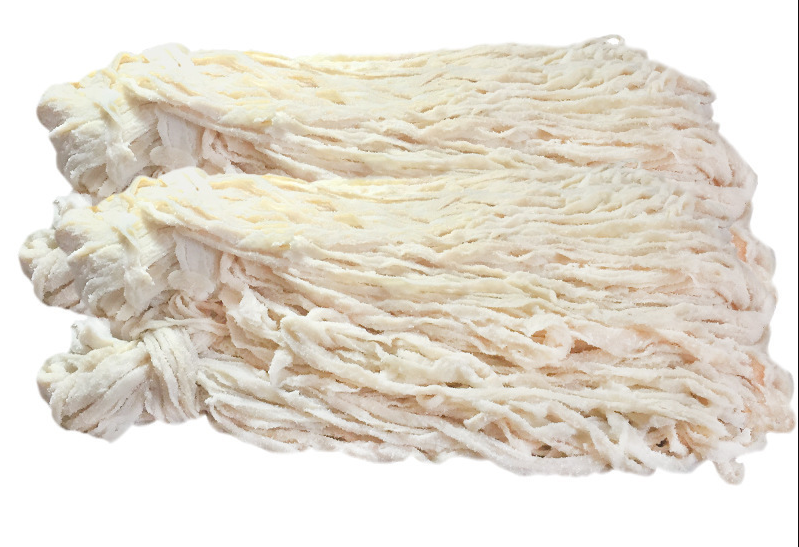
Ah, pig casing! It sounds a bit odd at first, doesn’t it? But let me tell you, this culinary gem is something you’ll want to know about. Pig casing, also known as hog casings, are actually the intestines of pigs, cleaned and prepared for use in sausage-making. They play a pivotal role in the age-old craft of sausage production, giving that delightful snap when you take a bite.
The Art of Sausage Making
Sausage-making is as much an art as it is a science. The use of pig casing dates back centuries and has evolved into a fine craft practiced by many around the globe. When you think about it, stuffing these natural casings with seasoned meat and spices is an age-old tradition that connects us to our ancestors. Talk about a culinary connection!
Why Choose Pig Casing?
Now, you might be wondering, why pig casing over synthetic alternatives? Well, here’s the kicker: natural casings provide superior flavor and texture. They allow the sausage to breathe during cooking, which helps retain moisture. Plus, they’re biodegradable—score one for Mother Earth!
Health Benefits
Not only do pig casings enhance flavor, but they also pack a protein punch! If you’re a meat lover, you’ll appreciate that sausages made with pig casing can be a great source of protein. Just remember to enjoy them in moderation, as too much of a good thing isn’t always good, right?
How to Handle Pig Casing
Handling pig casing requires a bit of finesse. They come in various sizes, so it’s essential to choose the right one for your sausage recipe. Start by soaking them in water for a while before use—this softens them up and makes them more pliable. When you’re ready to stuff, ensure your meat mixture is well-seasoned. No one wants bland sausages, am I right?
Stuffing Techniques
Stuffing sausages can be a bit tricky, but practice makes perfect! You can use a sausage stuffer, a funnel, or even a pastry bag in a pinch. Just be gentle; you don’t want to burst the casing. And if you do? Don’t sweat it! Just roll with the punches and keep going.
Creative Uses Beyond Sausages
While pig casing is primarily known for sausages, its uses extend beyond that. Some adventurous chefs are using them for encasing other meats, making gourmet dishes that will make your taste buds dance. Think of it as a culinary canvas, waiting for you to paint your masterpiece!
Cultural Significance
In various cultures, pig casing has played a significant role in traditional cooking. From German bratwurst to Italian salsiccia, each region has its spin on sausage-making. It’s fascinating how something as humble as pig casing can bring people together, don’t you think?
Conclusion: Embrace the Casings!
So there you have it—pig casing isn’t just a quirky term; it’s a vital part of culinary history and practice. The next time you bite into a juicy sausage, take a moment to appreciate the artistry behind it. Whether you’re a seasoned chef or a home-cooking novice, embracing pig casing in your kitchen can elevate your culinary game. So roll up your sleeves, get your hands dirty, and start stuffing!
Keyword:
Latest News
Contact Information
Phone/Wechat/WhatsApp: +86-13603320688
E-mail: bdtiantai@tiantaicasing.com
Contact person: Mr. Tan
Alibaba: https://tiantaichangyi1688.1688.com
Address: No. 188 Taoyuan West Street, Shunping County, Baoding City
Follow Us on


Copyright © 2023 Baoding Tiantai casing food Co., LTD | Business License